Stop Work Order
Minnesota workers are participating in one of the first city-wide general strikes the United States has seen in many decades

In Minneapolis 1934, cops unloaded live ammunition at striking truck drivers, killing two workers and injuring nearly 70 more. This was later dubbed "Bloody Friday," and is one in a long line of cases where agents of the United States government used lethal force to stop workers from striking for better conditions.
Police, private security forces, local militias, national guard, and even the literal US Army have been deployed against striking workers when strikes actually became a headache for the owning class.
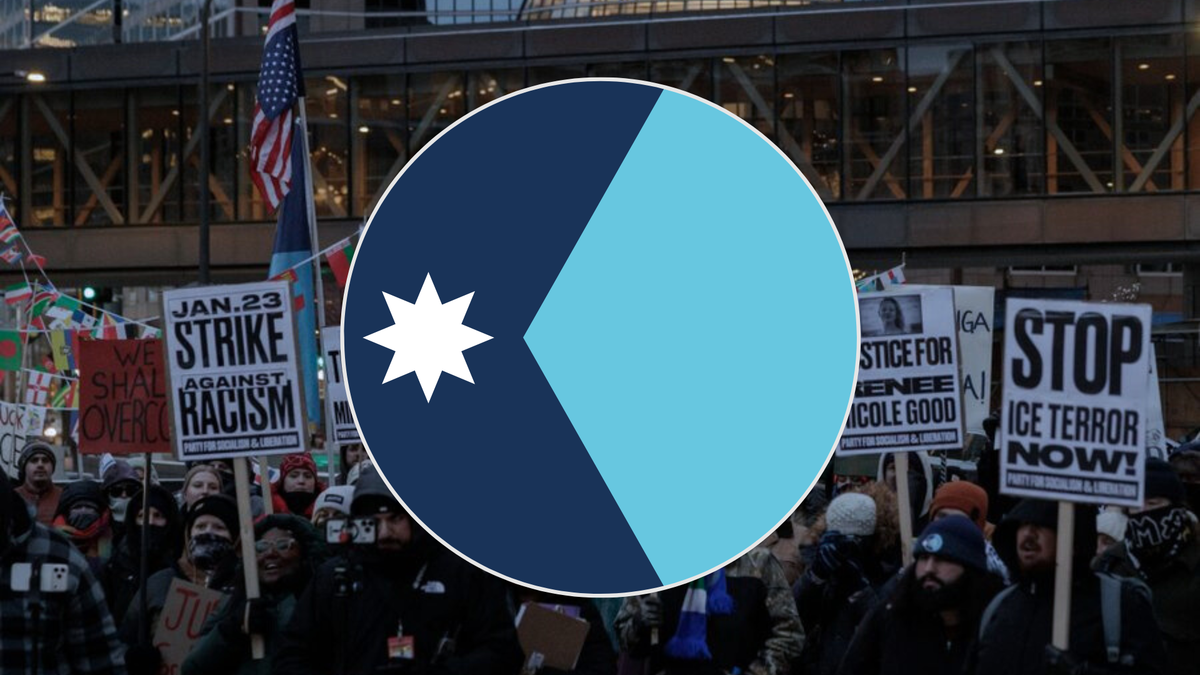
Today, we're watching as the people of Minneapolis strike once more, this time—80 years on—to protest the occupation of their city by hostile federal forces.
"That's Where We Are Now, the Hiding Stage"
Contacts on the ground in Minneapolis have sent me stories from their lived experience these past few weeks as ICE agents have made themselves at home in Minneapolis after a barely-coherent right wing content creator posted a video claiming to investigate the already-investigated COVID relief fund fraud in Minnesota.
Since then, the Trump administration used the sudden surge of attention on "Somali fraud" as pretext to launch an operation in Minneapolis staffed by people who heard they could be paid $50k to run around, masked, hurting minorities and thought that was a great use of their time on this planet.
The stories from Minneapolis are heartbreaking, and I want to make sure I paint this picture clearly, because this is the daily life for people in many cities in this country right now.
Simply being out and about while not pearlescent white will risk ICE agents accosting you and asking for proof of your citizenship. Imagine walking to the local coffee shop. You've got a few bucks on you and maybe your phone. Masked agents roll up, demand to see proof of your citizenship, and before you can even internalize their request, they're cuffing you.
White people are helping to run errands for non-white people to reduce their exposure to agents. One person told me they know of someone secretly housing an undocumented person. They followed up that message with, "That's where we are now, the hiding stage."
The hiding stage. American citizens are actively trying to protect people of color from armed, masked federal agents who have been told by their leadership that they can break into houses without warrants.
Hit Them Where It Hurts
And yet, I have hope. The general strike happening today was endorsed by the AFL-CIO, representing over 1,000 unions in the area. The focus is a full economic blackout: no work, shopping, or school. Faith leaders and protestors are out in below-zero temperatures to protest the occupation.
I want to point out again that there is a long, storied history of the United States government using force (directly or via hired third parties) when strikes become effective. This isn't a matter of choosing to not shop somewhere for a while. It's not the same as boycotting or spreading the word about some cause of justice.
When workers are organized and pull off a truly well-organized strike, the owning class becomes so mortally threatened that they reach for warfare-like tactics. Economic violence is still violence. To us, the working class, we're used to that. We've been on the receiving end of economic violence this whole time. But notice how quickly physical violence becomes justified when the economic violence is turned into a weapon fro the workers.
It's what truly threatens them. Strikes—and more specifically, strong, well-established, organized labor unions—are how we dig ourselves out of this and move towards a more equitable world.
To that end, I want to call attention to a large scale general strike backed by the UAW, planned for 2028. It's the "May Day 2028 Strike," and they're specifically calling on all labor unions to join in. Of course, we need action right now, but for anyone actually serious about a general strike, it starts with unions. Tell your friends. Or rather, your coworkers.